Subnautica
Unknown WorldsAdventure
4.6566.00 Reviews
- Version
- 1.22.83416
- Installs
- 100.00K
- Age Rating
- Everyone 10+
Screenshots
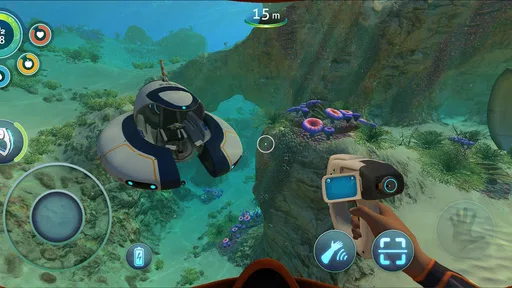
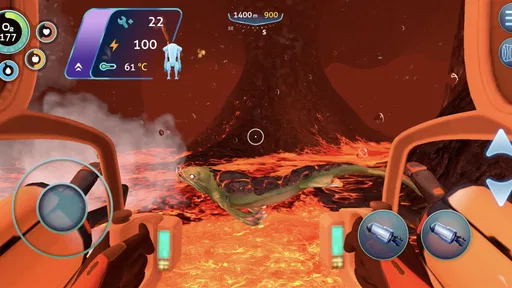
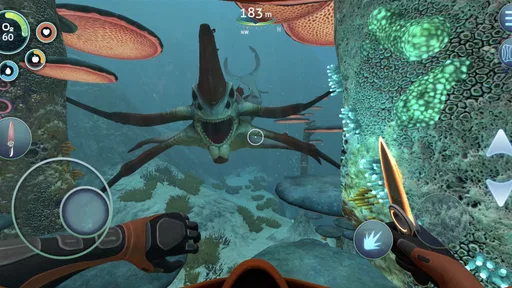
Our Review of Subnautica
 Analysis by Appyee
What makes Subnautica memorable to me is the way its ocean turns simple curiosity into a meaningful choice: every new stretch of water may hold a useful discovery, but going farther also means taking a greater risk. That tension gives this adventure a distinct identity. It is less about racing through a sequence of fights and more about learning a strange place well enough to survive in it.
Unknown Worlds has built a game for players who enjoy setting their own priorities. You can spend a session gathering materials, following a lead, improving your equipment, or simply looking around a reef. The freedom is appealing, though it also means the game expects you to decide what matters next rather than constantly pointing you toward a single obvious objective.
A world that rewards careful attention
The ocean is not just scenery between tasks. Different environments invite different levels of caution, and the things you notice while exploring can shape where you go and what you prepare before leaving safety. I found that a useful habit is to treat each trip as a small expedition: choose a destination, bring the tools you expect to need, and keep an eye on how far you have wandered from a safe return.
That approach helps avoid a common frustration in survival games: setting off without a plan, finding something interesting, then realizing too late that the return journey is the real problem. In this game, a little preparation makes exploration feel deliberate without removing its surprises. When I wanted to push farther, I first made sure I had a clear reason to do so rather than treating every dive as an open-ended scavenger hunt.
Progress that changes your options
Collecting materials matters because it gradually changes what you can do, not merely because the game asks you to gather a large pile of objects. Better tools and vehicles make more of the ocean accessible, so progress has a practical payoff: an area that once felt out of reach can become a reasonable next destination. The trade-off is that crafting can interrupt the sense of discovery. If you dislike searching for ingredients or returning to familiar places to collect them, the survival loop may feel like busywork rather than a satisfying preparation phase.
I recommend keeping a mental note of resources you repeatedly run short of and collecting them when you pass through suitable areas, instead of making every shortage a separate emergency trip. That small change makes the crafting rhythm less stop-start. It also encourages you to notice the landscape as a useful place, rather than seeing every biome only as a backdrop or threat.
How it compares with other adventure games
Compared with a more traditional action adventure, this is a slower, more self-directed experience. There is less emphasis on moving from one clear combat encounter to the next, and more on observation, equipment, and deciding how much danger is worth accepting. Compared with other survival games, its underwater setting gives navigation and oxygen a constant presence; the environment itself affects how confidently you can explore.
That difference is a strength if you want a world to study and gradually understand. It is less suitable if you mainly want fast combat, short missions, or a steady stream of explicit instructions. On a phone or tablet, I would also consider whether you enjoy managing several tasks and keeping track of a route on a smaller screen. The game is best approached when you have enough time to settle into a dive rather than squeezing it into a minute or two between unrelated tasks.
Who should take the plunge
I would recommend it to players who like exploration with consequences, enjoy piecing a story together from what they discover, and are comfortable learning through experimentation. It also suits someone who wants to alternate between focused survival and slower sightseeing. The creative option is useful when you want to roam and appreciate the environments without the usual pressure of staying alive.
I would hesitate to recommend it to anyone who finds underwater settings stressful, dislikes resource gathering, or wants every goal spelled out. The danger and uncertainty are part of the appeal, but they can also make a relaxing-looking world feel tense. If you prefer a guided adventure with frequent direction, a more linear game may be a better fit; if you want the freedom to investigate at your own pace, this one has a stronger case.
A practical way to fit it into an ordinary evening is to choose one modest goal before starting: gather what you need for a tool, investigate a signal, or scout a nearby area. That gives a session a satisfying shape without forcing you to rush the larger journey. I would avoid beginning a long expedition when you know you have to stop immediately, since the game’s appeal often comes from following a discovery and then having time to respond to what it reveals.
Exploring the Unknown
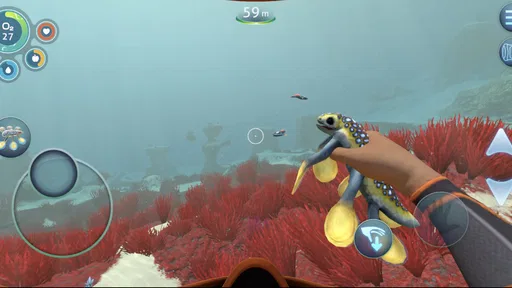
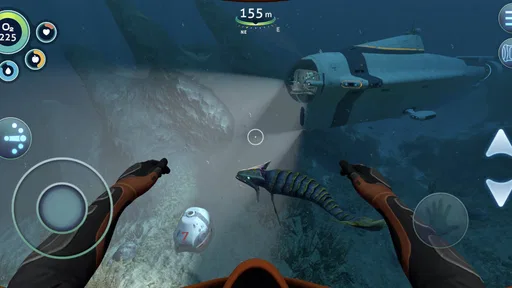
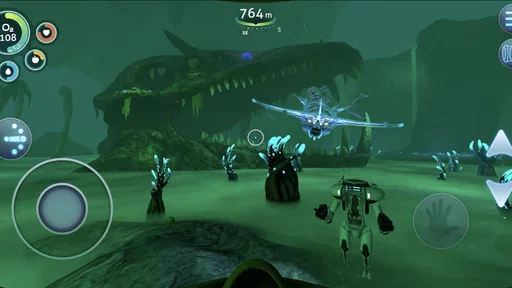
From the moment you crash-land on the aquatic planet, you're thrust into a world teeming with life. The visuals are stunning, with vibrant coral reefs, bioluminescent creatures, and vast underwater landscapes that make you feel like you're actually diving in the deep blue. Every corner of the ocean is beautifully rendered, and the attention to detail is simply mind-blowing.
What I love most about Subnautica is how it encourages curiosity. You start with nothing but your wits and a life pod, and from there, it’s all about exploring, collecting resources, and gradually building your way to survival. The game does an excellent job of balancing the thrill of discovery with the constant challenge of staying alive.
The Survival Challenge
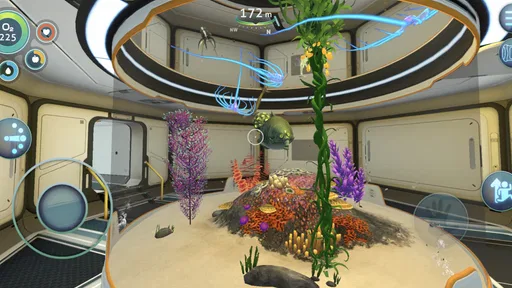
Survival in this game isn’t just about finding food and water, although that’s certainly part of it. You also have to manage your oxygen supply, fend off dangerous wildlife, and construct habitats to protect yourself from the elements. This adds a layer of strategic depth that keeps you on your toes.
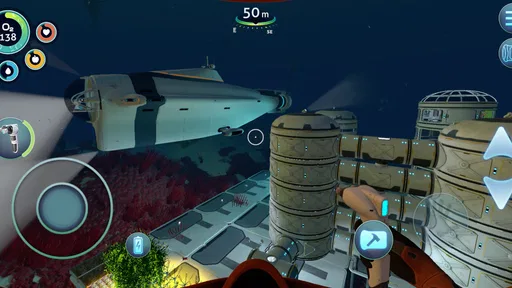
The crafting system is intuitive and rewarding. Gathering resources like titanium, copper, and quartz lets you build everything from basic tools to advanced submarines. Each new piece of equipment opens up more possibilities for exploration, pushing you to dive deeper and deeper into the ocean’s depths.
Storytelling Through Exploration
What sets Subnautica apart from other survival games is its narrative. The story unfolds organically as you explore, with mysterious signals to investigate and ancient alien structures to uncover. It’s like piecing together a giant puzzle, and each revelation adds to the intrigue.
The game’s audio design complements this storytelling beautifully. The eerie soundscapes and haunting music create an atmosphere that’s both serene and unsettling. It keeps you immersed in the experience, making every dive feel like an adventure.
Perfect for Relaxation and Thrills
Whether you’re in the mood for a relaxing exploration or an adrenaline-pumping escape from a leviathan, Subnautica delivers. The game’s pacing allows you to take things at your own speed. Sometimes, I just enjoy swimming around and admiring the scenery, while other times, I’m on the edge of my seat trying to avoid becoming a creature’s next meal.
For those who prefer a more laid-back experience, there’s a creative mode where you can explore without the survival elements. This is a great way to appreciate the game’s world without the pressure of managing resources.
Final Thoughts
In conclusion, Subnautica is a masterpiece that offers a unique blend of exploration, survival, and storytelling. Its captivating world and engaging gameplay make it a must-have for any adventure-seeker. Whether you’re a fan of survival games or just looking for something new to dive into, this app provides an unforgettable experience that’s well worth the download.
As a paid adventure game from Unknown Worlds, it costs $9.99, so I would think of it as a substantial single-player purchase rather than a casual free download. Its 4.8 average from around 4,100 ratings and over 50,000 installs suggest strong interest, though popularity alone cannot tell you whether its deliberate pace will suit you. The game is rated Everyone 10+, and the current version is 1.22.83315 for devices running Android 10 or later. I would check that your device meets the system requirement before buying, especially if you plan to play on an older handset.
One useful way to keep the story moving is to treat signals and discoveries as clues rather than chores. When something points you toward a new location, take a moment to decide what you want to learn there and what equipment would make the trip safer. This helps you balance narrative curiosity with survival needs. It also means you can return to a lead later if you are underprepared, rather than turning every new prompt into an obligation to go immediately.
The ocean’s atmosphere is a major part of the experience, but it will not work for everyone. The same darkness and uncertainty that make exploration compelling can feel uncomfortable if you dislike confined or underwater spaces. I would not choose this as a carefree background game when I wanted to relax without paying attention: oxygen, wildlife, and navigation all ask for some focus. Creative mode is a useful alternative for scenery-first play, but it changes the feel by removing the survival pressure that gives ordinary expeditions their stakes.
There is also a practical distinction between playing in short bursts and playing with room to follow through. A brief session can still be worthwhile if you have a nearby objective, but an unexpected discovery may tempt you to continue farther than planned. Before setting out, I like to establish a simple stopping point, such as returning after collecting a particular resource or checking one lead. That keeps a satisfying session from becoming a rushed retreat when I suddenly need to put the device away.
The mobile format makes convenience part of the decision. You can carry a substantial exploration game with you, but this is not the kind of adventure I would judge only by whether it can be opened quickly. It asks for attention to what you have collected, where you are, and how prepared you are for the next stretch. If you mainly want a game for tiny gaps in the day, a short-run arcade or puzzle game may fit better. If you want a world you can return to and gradually map out in your own mind, the longer commitment is easier to justify.
For a newcomer, I would resist trying to optimize every move. It is more rewarding to learn what the environment is telling you: which trips feel safe, what supplies you tend to need, and when curiosity is worth the risk. At the same time, the game can be opaque if you expect every mechanic to be explained in detail. When progress stalls, revisiting earlier areas with a newly available tool can be more productive than repeatedly pushing into a dangerous zone without changing your approach.
What to expect before buying
This is an adventure built around exploration and survival, not a collection of quick levels. You should expect to spend time gathering materials, learning how to travel more effectively, and deciding which leads to follow. The appeal comes from those systems working together: a discovery can raise a question, answering it may require better equipment, and making that equipment can send you back through familiar water with a clearer purpose. Players who enjoy that loop will find more to appreciate than those who see resource collection as an obstacle between story scenes.
The clearest reason to choose it over a more conventional adventure is the sense that the setting shapes your decisions. Rather than simply moving through scenery toward the next fight, you are learning how to live in a place that can be beautiful and threatening at once. The clearest reason to choose something else is equally direct: if you want tightly directed missions, frequent action, or minimal inventory and preparation concerns, this may ask for more patience than you want to give.
A measured recommendation
For me, the strongest recommendation is to players who like curiosity-driven worlds and do not mind a little uncertainty. The underwater setting, survival demands, and gradual story work together to make exploration feel personal: you are not just being shown a mystery, you are deciding how to approach it. That is a more distinctive pleasure than a simple checklist of objectives, even if it occasionally leaves you wishing for clearer direction.
The game’s adventure focus also makes it a better fit for someone willing to settle into one world than for someone shopping for a quick distraction. If that sounds like your kind of evening, the paid price can make sense as a deliberate purchase; if you are unsure whether the tension or resource loop will appeal, it is worth being honest about those preferences before committing. I would pick it for immersive exploration, not for effortless downtime.
So, if you’re ready to embark on an underwater odyssey, Subnautica is waiting to be explored. Just remember to keep an eye on your oxygen levels and watch out for those lurking predators!
Verdict
Strengths of Subnautica
- Stunning underwater visuals.
- Immersive exploration experience.
- Expansive open-world environment.
- Engaging story and lore.
- Challenging survival mechanics.
Limitations of Subnautica
- Occasional performance issues.
- Limited multiplayer options.
- Resource gathering can be repetitive.
- Steep learning curve for beginners.
- Some technical glitches.
Similar Picks in This Category
View All
Roblox
Roblox Corporation4.2

Pokémon GO
Niantic, Inc.3.5

Ninja warrior: legend of adven
TOH Games4.6

Ninja Arashi
Black Panther4.6

Eyes - The Horror Game
Fearless Games sp. j.4.5

Critical Action:Gun Strike Ops
FPS Shooter & Action Game4.3
Frequently Asked Questions
What is the main objective of Subnautica?
Subnautica is an open-world survival game where players explore the ocean of an alien planet. The primary objective is to survive by gathering resources, building bases, and uncovering the mysteries of the planet. Players must manage hunger, thirst, and oxygen levels while avoiding dangerous creatures and environmental hazards.
Can I play Subnautica on mobile devices?
Currently, Subnautica is not available as a native app for Android or iOS devices. It is primarily available for PC and gaming consoles like PlayStation and Xbox. However, some players use cloud gaming services to experience it on mobile, though this method may require a stable internet connection.
How does the crafting system work in Subnautica?
In Subnautica, crafting is essential for survival. Players collect resources from the environment to craft tools, vehicles, and bases. The crafting process is facilitated through the Fabricator, a device that transforms raw materials into usable items. Players must explore different biomes to find unique materials necessary for advanced crafting.
Is Subnautica a multiplayer game?
Subnautica is primarily a single-player experience. Although there are mods available for PC that add multiplayer functionality, the game was designed as a solo adventure. Players can immerse themselves in the storyline and environment without the interaction of other players, focusing on exploration and survival.
What are the system requirements for Subnautica?
Subnautica requires a moderate gaming setup. For PC, a minimum requirement includes a 64-bit processor, Windows 7 or newer, 4GB RAM, and a DirectX 11 compatible video card. For optimal performance, a more powerful CPU, at least 8GB RAM, and a dedicated graphics card are recommended. Console versions run smoothly on their respective systems.
Play our best games!


